Ancient City · Near Eastern · Oman
Al Baleed Archaeological Park
Al Baleed Archaeological Park in Salalah preserves the ruins of Zafar, the medieval port that shipped Dhofar's frankincense across the Indian Ocean. The walled city covers about 50 hectares between the sea and a lagoon, with a great mosque, a citadel and gates. It is part of the UNESCO Land of Frankincense and has the region's best museum.
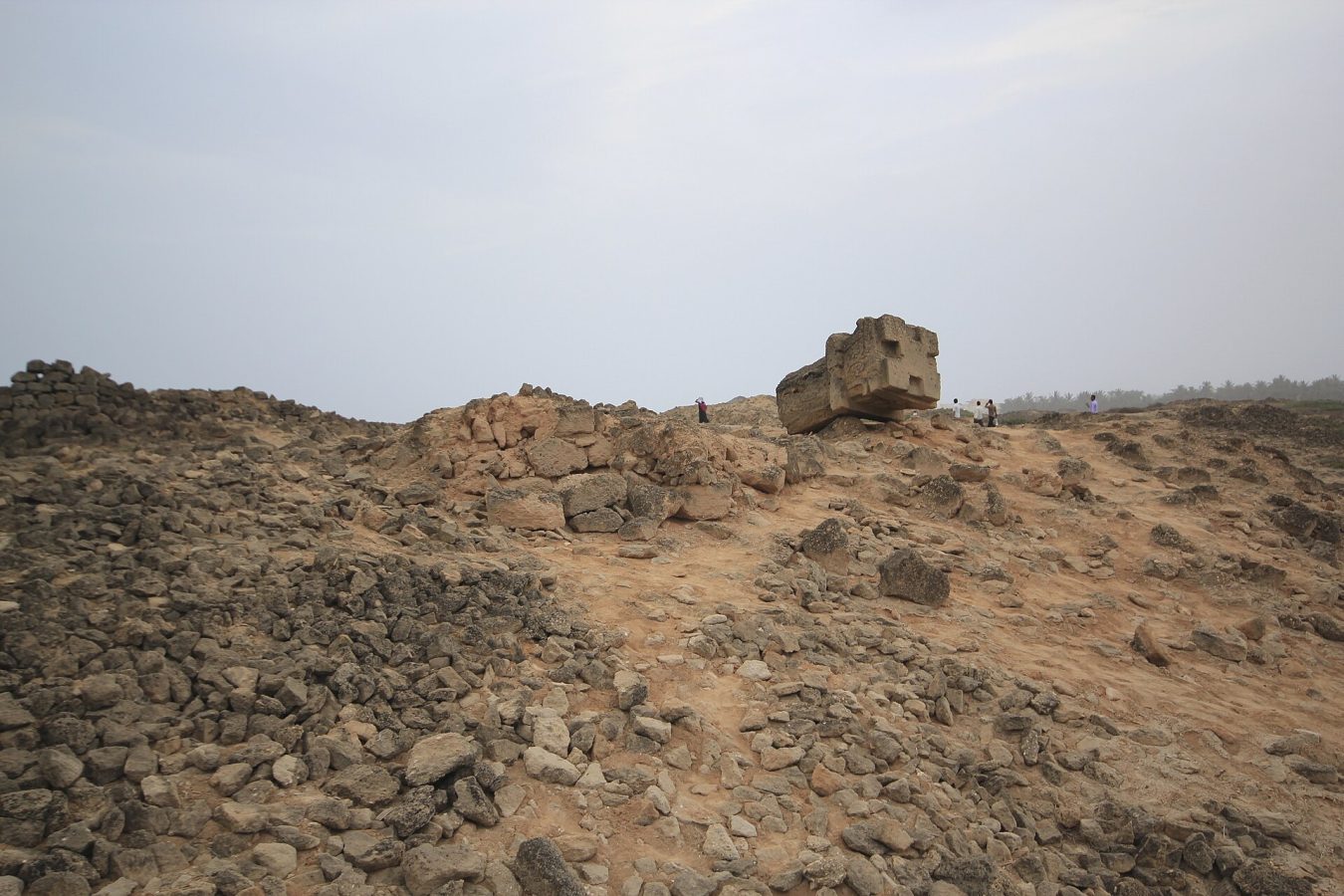
Photo: https://www.flickr.com/photos/130649623@N05/, CC BY-SA 2.0
Tickets and tours: which to book
Nothing for Al Baleed alone is sold on GetYourGuide. Entry is by a single ticket bought at the Museum of the Land of Frankincense near the park entrance, which also covers the archaeological area outside. There is no timed entry or booking. Signs and paths lead around the site, and small electric carts are sometimes available for those who prefer not to walk in the heat, but there are no regular guided walks.
Most visitors come either independently by taxi or hire car from Salalah, or on half-day and full-day city tours arranged by hotels and local agencies in Salalah. These tours usually combine the park with the frankincense souq at Al Haffa, the tomb of the prophet Job in the hills and the coastal ruins of Sumhuram at Khor Rori, with transport and a driver-guide included and entry fees often extra. Cruise passengers docking at Salalah port often visit on a ship excursion.
The sensible plan is to go on your own in the late afternoon, start in the museum to understand the frankincense trade, and then walk the city as the heat fades. If you want the history explained in depth, book a local guide in Salalah for the day and add Khor Rori and the frankincense trees of Wadi Dawkah.
What to see at Al Baleed Archaeological Park
Museum of the Land of Frankincense
Start at the museum by the entrance, which has two halls. The history hall traces Dhofar from prehistory to modern Oman, with finds from Al Baleed and Khor Rori, incense burners and inscriptions. The maritime hall shows models of the wooden ships that carried incense and goods across the Indian Ocean.
Great Mosque
Walk from the museum into the heart of the old city to the remains of the Great Mosque, the largest building of Zafar. Rows of stone column bases mark the prayer hall, and the outline of the courtyard and minaret base can be traced. Its size shows how rich the port was at its height.
Tickets and tours that include Al Baleed Archaeological Park
Live prices from GetYourGuide for tickets and tours that include this site. Free cancellation on most of them.
Citadel mound
Near the sea stands the citadel, a raised mound where the rulers of Zafar had their fortified palace. Walls, rooms and towers have been excavated and partly consolidated. From the top you look out over the beach on one side and the lagoon and city plan on the other, the best viewpoint in the park.
City walls and gates
The city was enclosed by walls with gates facing the land and the lagoon, and stretches of them have been rebuilt from original stone. Follow the path along the walls to see the gateways and the moat-like channel that protected the city. Information boards explain the layout of the streets between them.
Lagoon and frankincense garden
Finish along the lagoon, once a sea bay that let ships reach the city and whose silting helped cause its decline. A path follows the water, where herons, flamingos and other birds feed. Near the museum a garden of frankincense trees shows the plant whose resin made Dhofar famous.
A short history
Zafar was the main port of Dhofar in the Middle Ages, taking over the frankincense trade after the older harbour at Khor Rori declined. Ships left here for India, East Africa and the Red Sea. Marco Polo described the city, Ibn Battuta visited it in the 14th century, and the Chinese fleets of Zheng He called in the early 15th. Zafar declined in the 16th and 17th centuries, as its bay silted up into a lagoon and Portuguese, Ottoman and Mamluk forces fought over the coast. Excavations by Omani and foreign teams since the 1990s uncovered the mosque, citadel and walls, and the park opened with its museum in 2007. UNESCO listed it in 2000.
Getting there
Al Baleed lies on the coast in the eastern part of Salalah, between the city centre and the Al Haffa district, a few kilometres from the main hotels. From Salalah airport it is about 15 minutes by taxi; taxis are cheap and plentiful, but agree the fare or use a ride app before setting off. By car, follow the coast road or Sultan Qaboos Street and look for the signs; there is free parking at the museum. Salalah has direct flights from Muscat, Dubai, Doha and other Gulf cities, and the drive from Muscat takes about 10 to 12 hours across the desert. Cruise ships dock at Salalah port, 30 minutes away. There is little useful public transport, so a taxi or hire car is the practical choice.
Rules and what to bring
Stay on the marked paths and do not climb on walls or the citadel ruins, which are fragile. Drones need permission from the authorities in Oman. Dress modestly, with shoulders and knees covered, as this is a public heritage site. Outside the khareef the sun is strong and there is little shade, so bring a hat, sunscreen and water. The museum has toilets and a small shop; restaurants and the Al Haffa souq are close by.
When to go
Salalah has two very different seasons. From June to September the khareef monsoon brings cloud, drizzle and mist, the hills turn green and temperatures stay in the mid-twenties; this is the peak season for visitors from the rest of Oman and the Gulf, and roads and hotels are busy. From October to April the weather is sunny and dry, comfortable in the morning and evening, and this is the main season for European visitors and cruise ships.
April and May, before the monsoon, are the hottest months. The park is quietest in the late afternoon, when the light on the stones is soft and birds gather on the lagoon. During Ramadan hours are shorter. Allow an hour for the museum and an hour or two for the site.
Combine it with
The Al Haffa souq, selling frankincense and perfume, is a few minutes away. Sumhuram at Khor Rori, the earlier frankincense port, is about 40 minutes east, near the town of Taqah. The frankincense trees of Wadi Dawkah are about 45 minutes north, and the blowholes of Mughsail beach about 45 minutes west.
At a glance
| Hours | Morning and late-afternoon opening, with a break at midday; shorter hours on Fridays |
|---|---|
| Closed | Usually open daily; check locally for public holiday hours |
| Entry fee | A few Omani rials, covering park and museum |
| Time needed | 2 to 3 hours |
| Best time | Late afternoon; October to April, or the cool khareef season |
| Booking | No booking; pay at the museum entrance |
| Access | Flat paved and gravel paths; little shade; the museum is step-free |
| Getting there | About 15 minutes by taxi from central Salalah and Salalah airport |
| Civilisation | Near Eastern |
| UNESCO | Land of Frankincense |
| Checked | October 2026 |
Frequently asked questions
When is Al Baleed Archaeological Park open?
Morning and late-afternoon opening, with a break at midday; shorter hours on Fridays. Closed: Usually open daily; check locally for public holiday hours.
How much is the entry fee for Al Baleed Archaeological Park?
Entry fee: A few Omani rials, covering park and museum.
How long do you need at Al Baleed Archaeological Park?
Allow 2 to 3 hours for Al Baleed Archaeological Park.
Do I need to book Al Baleed Archaeological Park in advance?
No booking; pay at the museum entrance.
Can I book a ticket or tour for Al Baleed Archaeological Park online?
Yes. GetYourGuide sells tickets and guided tours whose route includes Al Baleed Archaeological Park; live prices are shown on this page.
When is the best time to visit Al Baleed Archaeological Park?
Late afternoon; October to April, or the cool khareef season.
How do I get to Al Baleed Archaeological Park?
About 15 minutes by taxi from central Salalah and Salalah airport.
Is Al Baleed Archaeological Park accessible, and what is the terrain like?
Flat paved and gravel paths; little shade; the museum is step-free.
Is Al Baleed Archaeological Park worth visiting?
Worth it for the frankincense museum and an easy coastal walk through a medieval trading port with a great mosque. Skip or shorten it if you want tall ruins: walls survive only a few courses high, and most visitors need two hours.
Is Al Baleed Archaeological Park a UNESCO World Heritage Site?
Yes. Al Baleed Archaeological Park is part of the UNESCO World Heritage Site Land of Frankincense.