Megalithic Site · Prehistoric · Spain
Dolmens of Antequera
The Dolmens of Antequera in Andalusia are three megalithic tombs, Menga, Viera and El Romeral, built between about 3800 and 1800 BC and listed by UNESCO in 2016. Menga, a stone chamber some 27 metres long roofed with slabs weighing many tonnes, is one of the largest dolmens in Europe and points at a mountain.
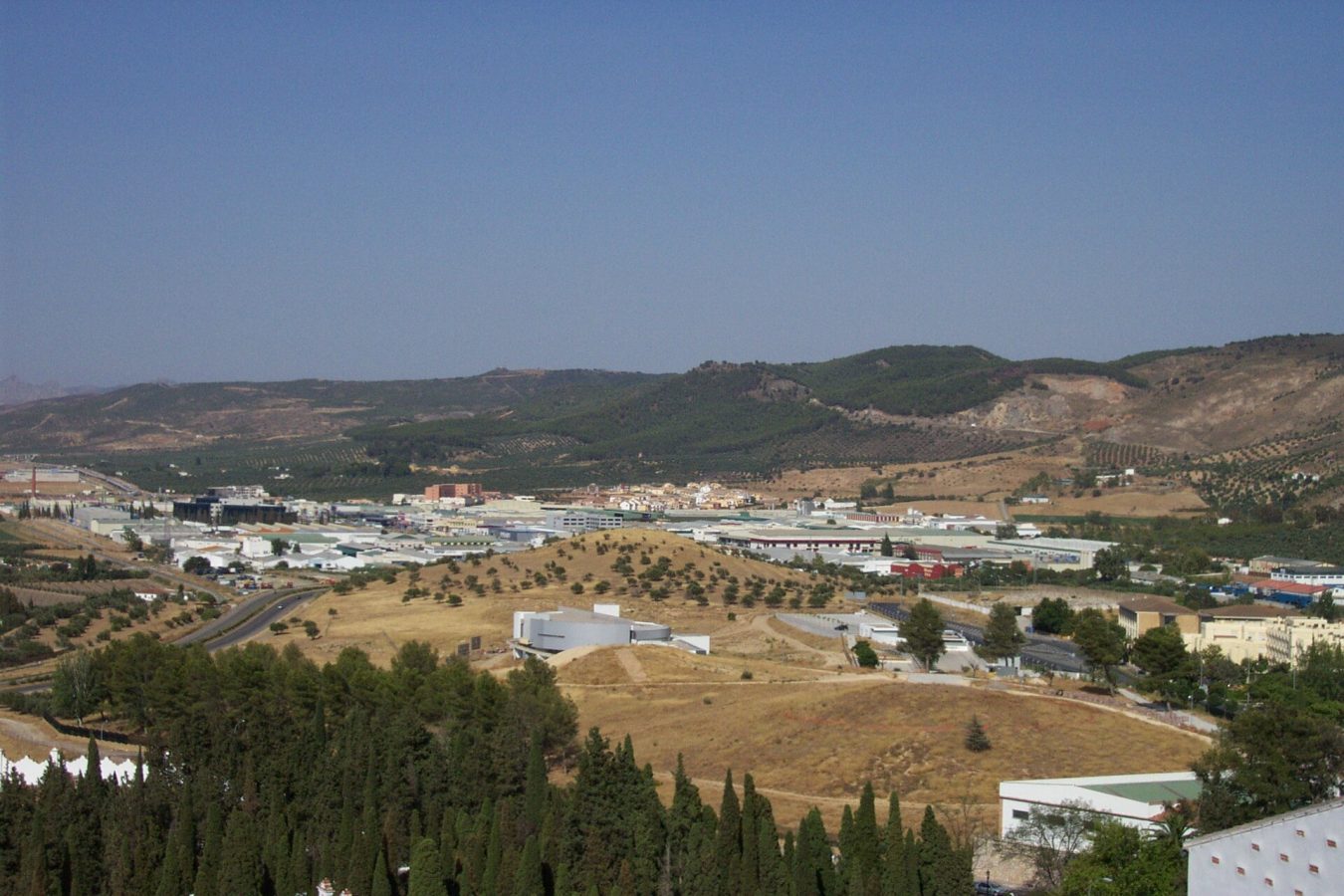
Photo: Juan de Vojníkov, CC BY-SA 3.0
Tickets and tours: which to book
Entry is simple. The main enclosure, with the dolmens of Menga and Viera, opens from a visitor centre on the north-east edge of Antequera, and you walk in, collect a leaflet and explore on your own. The tholos of El Romeral lies about 4 km away on the other side of an industrial area and has its own small gate on the same opening hours. Entry has long been free for European Union citizens and very cheap for others, so there is no reason to buy anything in advance as an individual.
The one product sold online is a full-day tour from Granada that adds the karst landscape of El Torcal to the dolmens, with transport and a guide. It works for travellers based in Granada without a car, because public transport would not let you combine the two sites in one day. A similar plan can be made from Malaga by joining a general excursion to Antequera and El Torcal.
The visitor centre sometimes runs free guided visits in Spanish, and private guides can be booked in Antequera. A guide is useful for understanding the alignments of the tombs with the Pena de los Enamorados and El Torcal, which are the reason UNESCO listed the landscape as a whole.
The sensible approach for most visitors is to walk out from the town centre, see Menga and Viera, then take a taxi or drive to El Romeral before it closes.
What to see at Dolmens of Antequera
Dolmen of Menga
From the visitor centre, a path leads to the low mound of Menga. Walk down the entrance corridor into a chamber about 27 metres long, roofed with huge slabs and supported by three central pillars. At the back is a deep well found in 2005. Turn round at the far end and look out of the doorway at the Pena de los Enamorados.
Dolmen of Viera
A short walk across the enclosure, Viera is narrower and more regular, a long passage of upright slabs leading to a small square chamber closed by a cut stone door. It faces east, and at the spring and autumn equinoxes the rising sun shines straight down the corridor to the back. Bend low here, as the passage height drops.
Tickets and tours for Dolmens of Antequera
Live dates and prices from GetYourGuide. Free cancellation on most tickets.
Visitor centre and mounds
Between the two tombs, the grassy mounds that cover them show how the stone chambers were buried under earth to look like natural hills. Back at the visitor centre, displays explain how the stones were quarried and moved, and models show the sequence of building. A short film helps make sense of the landscape before the next stop.
Tholos of El Romeral
About 4 km away by road, El Romeral is younger and built differently, with drystone walls rising in rings to form two small domed chambers connected by a passage. It points towards the El Torcal mountains rather than the sunrise. The interior is dark, so let your eyes adjust, and look up at the corbelled vault of the main chamber.
Pena de los Enamorados viewpoint
The mountain that Menga faces rises alone from the plain north-east of town, its profile resembling a face lying on its back. You see it from the dolmens and from the Alcazaba in Antequera. A rock shelter on its slopes holds prehistoric paintings, and walking trails lead around its base, although the shelter itself is not open to visitors.
A short history
The dolmens of Menga and Viera were built by farming communities of the Neolithic and early Copper Age, Menga in the 4th millennium BC and Viera a little later. Both were covered by earth mounds and used as collective tombs over long periods. The tholos of El Romeral, with its drystone corbelled vaults, dates to around 1800 BC and belongs to a different building tradition. Menga was never fully forgotten and was first described in print in 1847, while Viera and El Romeral were opened by the Viera brothers, local researchers, in 1903 and 1904. In 2005 excavation uncovered the well inside Menga. UNESCO listed the three tombs, together with the Pena de los Enamorados and El Torcal, in 2016.
Getting there
Antequera lies in the centre of Andalusia, roughly 50 km north of Malaga and 100 km west of Granada. By car from Malaga airport the motorway takes about 45 minutes; follow signs for the Conjunto Arqueologico Dolmenes, where there is free parking at the visitor centre. High-speed trains stop at Antequera Santa Ana station, about 17 km from town, so a taxi or bus is needed from there; the Antequera Ciudad station is closer but has fewer trains. Buses from Malaga and Granada arrive at the bus station on the north side of town, a 15 to 20-minute walk from the dolmens. El Romeral is about 4 km further north-east, best reached by car or taxi.
Rules and what to bring
Photography is allowed, but tripods and drones need permission. Do not lean on or touch the uprights inside the chambers, and keep children from climbing the mounds. Inside the tombs it is cool and dim even in summer, so bring a light layer, but the paths outside have little shade. The visitor centre has toilets and drinking water. There is no cafe at the site, but the town centre with its bars and restaurants is a short walk away.
When to go
The dolmens are never as busy as the Alhambra, but school groups visit on weekday mornings in term time, and Spanish families come at weekends. A weekday visit at opening or in the late morning is usually calm. In July and August Antequera can pass 35 degrees by early afternoon, and the walk between the tombs and back to town is exposed, so go first thing and spend the hot hours in the museum or old town. Summer opening hours are often shortened in the afternoon.
Spring and autumn are the best seasons, with green countryside and clear views of the Pena de los Enamorados. Around the equinoxes in March and September, the rising sun lines up with the corridor of Viera, and special early openings have been held at times; check locally. Winter is mild and quiet. Allow about an hour for Menga and Viera and another half-hour for El Romeral, plus the travel between them.
Combine it with
Pair the dolmens with El Torcal, the karst limestone plateau 30 minutes south of town, with marked walking trails among the rock formations. In Antequera, the Alcazaba and the Arco de los Gigantes give views over the plain, and the town museum holds the Roman bronze statue of a boy. Granada and Malaga are both within an hour.
At a glance
| Hours | Tue–Sat from 9 am, closing time varies by season; Sun and holidays 9 am to 3 pm |
|---|---|
| Closed | Mondays; some public holidays |
| Entry fee | Free for EU citizens; a small fee for other visitors |
| Time needed | 1.5 to 2 hours |
| Best time | Morning; spring and autumn, or summer at opening |
| Booking | Turn up at the visitor centre; groups should book ahead |
| Access | Short paved paths and gentle slopes; chambers are level but dim |
| Getting there | A 15-minute walk from the centre of Antequera; about 45 minutes by car from Malaga |
| Civilisation | Prehistoric |
| UNESCO | Antequera Dolmens Site |
| Checked | October 2026 |
Frequently asked questions
When is Dolmens of Antequera open?
Tue–Sat from 9 am, closing time varies by season; Sun and holidays 9 am to 3 pm. Closed: Mondays; some public holidays.
How much is the entry fee for Dolmens of Antequera?
Entry fee: Free for EU citizens; a small fee for other visitors.
How long do you need at Dolmens of Antequera?
Allow 1.5 to 2 hours for Dolmens of Antequera.
Do I need to book Dolmens of Antequera in advance?
Turn up at the visitor centre; groups should book ahead.
Can I book a ticket or tour for Dolmens of Antequera online?
Yes. GetYourGuide lists one ticket or tour for Dolmens of Antequera, with live dates and prices and free cancellation on most of them.
When is the best time to visit Dolmens of Antequera?
Morning; spring and autumn, or summer at opening.
How do I get to Dolmens of Antequera?
A 15-minute walk from the centre of Antequera; about 45 minutes by car from Malaga.
Is Dolmens of Antequera accessible, and what is the terrain like?
Short paved paths and gentle slopes; chambers are level but dim.
Is Dolmens of Antequera worth visiting?
Worth it for anyone interested in prehistory, and for the scale of Menga, which is hard to grasp from photographs. Skip or shorten it if you expect a large open-air site, since the visit takes about an hour and a half.
Is Dolmens of Antequera a UNESCO World Heritage Site?
Yes. Dolmens of Antequera is part of the UNESCO World Heritage Site Antequera Dolmens Site.