Ancient City · Near Eastern · Iraq
Babylon
Babylon is the ruined capital of Hammurabi and Nebuchadnezzar on the Euphrates, near Hillah, about 85 km south of Baghdad. At its height it was perhaps the largest city in the world, and the site still shows original moulded-brick animals at the Ishtar Gate, the Lion of Babylon and a much-debated 1980s rebuilding of the palace.
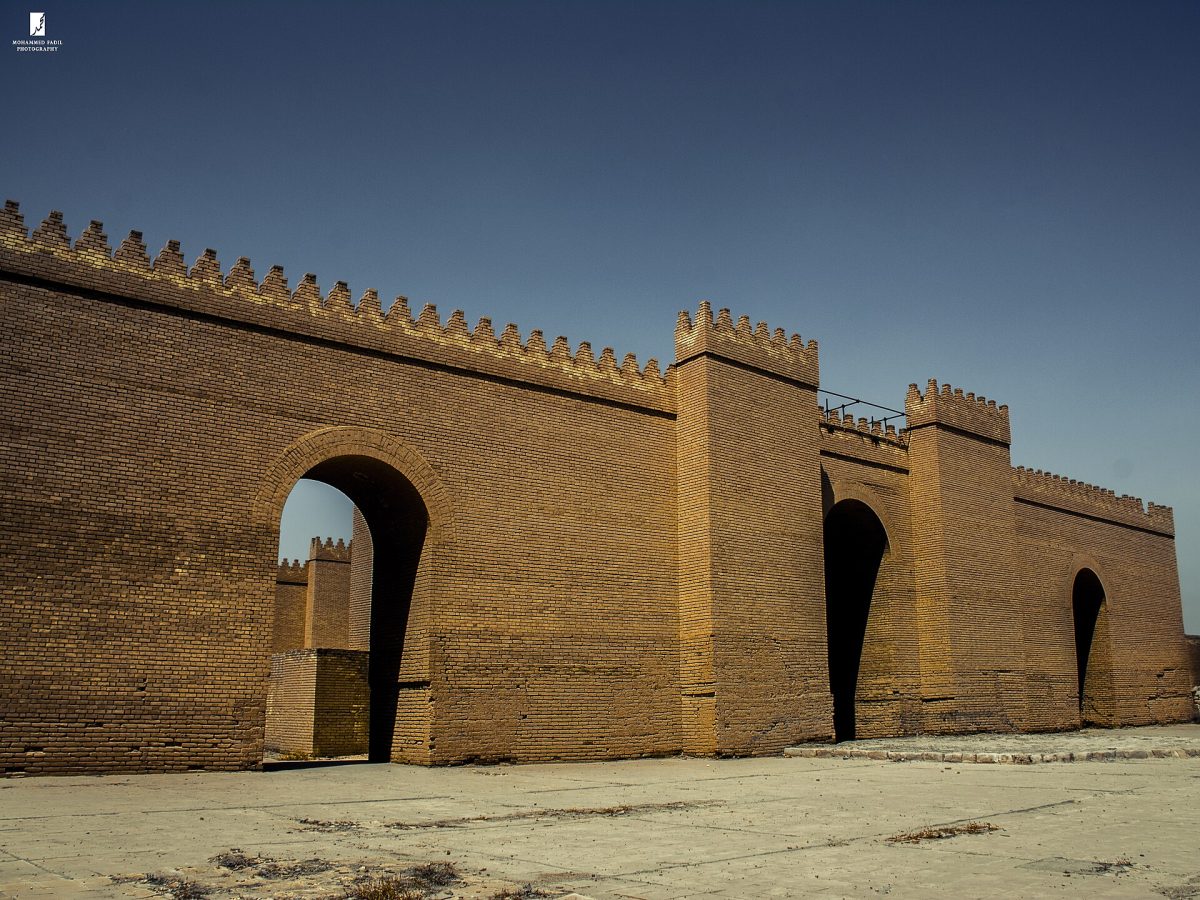
Photo: Mohamm3dfadil, CC BY-SA 4.0
Babylon tickets: which one for you
Our pick for each kind of visit, with live dates and prices from GetYourGuide. Free cancellation on most.
Best for: First visit, with a guide
A guided walk through the main areas of the ancient city, explaining what is original and what was rebuilt, which matters greatly at this site.
- A wider day in central Iraq: Explore ancient babylon al taar cave al ukhaidir fortress Adds the desert fortress of Ukhaidir and the caves of Al Tar to Babylon, for travellers who want to see more of the region in one day with transport.
Tickets and tours: all the options
Entry to Babylon is a gate ticket bought on arrival, with a higher price for foreigners than for Iraqis; there is no online booking or timed entry. Most foreign visitors come with a licensed guide or as part of an organised trip, which also handles transport, checkpoints and any permissions. Local guides can sometimes be hired at the entrance.
The tours sold online are few. One is a guided walk through the main areas of the site, focused on the Processional Way, the Ishtar Gate area, the palace and the Lion of Babylon, and usually lasts two to three hours; transport from Baghdad or Karbala may be extra. Another combines Babylon with the Abbasid-era desert fortress of Ukhaidir and the caves of Al Tar, a long day by road with transport included. Multi-day Iraq tours that include Babylon are also sold by specialist operators.
Before booking, read your government's travel advice for Iraq, which affects insurance, and check visa rules, now available on arrival for many nationalities. For a first visit, the sensible plan is a licensed guide with a car and driver, giving you time on site and help with the checkpoints.
What to see at Babylon
Ishtar Gate replica and museum
At the entrance stands a smaller blue replica of the Ishtar Gate, built in the 20th century, with a small museum beside it. The original gate, excavated by German archaeologists, was rebuilt in the Pergamon Museum in Berlin. Start here to orient yourself with the models and plans before walking into the ruins.
Processional Way and original reliefs
Behind the replica, the Processional Way runs north to south between high walls. In the lower courses near the gate, original reliefs of bulls and dragons in unglazed brick are still in place, made under Nebuchadnezzar II in the 6th century BC. This is the most authentic part of the site and deserves time.
2 tickets and tours for Babylon
Live dates and prices from GetYourGuide. Free cancellation on most tickets.
Southern Palace
West of the Processional Way, the Southern Palace of Nebuchadnezzar was rebuilt in the 1980s on the original foundations with new yellow bricks, some stamped with the name of Saddam Hussein. Walk through the throne room courtyard and look at the base of the walls, where original bricks with cuneiform stamps survive.
Lion of Babylon
A few minutes north, the Lion of Babylon, a large basalt statue of a lion standing over a fallen man, rests on a pedestal on the main mound. Its date and origin are debated, but it has become the symbol of the site and of Iraq. Nearby lie the low remains attributed to the Hanging Gardens.
Temple of Ninmakh and Greek theatre
Back near the entrance, the temple of the goddess Ninmakh has been rebuilt with mud-brick walls and gives an idea of a Babylonian sanctuary. Further east, a theatre from the time after Alexander the Great shows the Greek phase of the city. From the mound you can also see the hilltop palace built for Saddam Hussein.
A short history
Babylon is first recorded as a small town under the Akkadian Empire in the 22nd century BC. In the 18th century BC the Amorite king Hammurabi made it the capital of an empire and the holy city of southern Mesopotamia. After long periods of foreign rule it was destroyed and rebuilt by the Assyrians, then became capital of the Neo-Babylonian Empire from 626 to 539 BC, when Nebuchadnezzar II built the walls and the Ishtar Gate. It declined after Alexander's death and was a village by the 11th century AD. Robert Koldewey excavated it from 1899 to 1917, and UNESCO listed it in 2019.
Getting there
Babylon lies just north of Hillah, about 85 km south of Baghdad. The usual route is by car from Baghdad, about one and a half to two hours on the main road south, with several police and army checkpoints where you show passports. Baghdad International Airport is the main gateway; Najaf airport, about an hour away, is closer for some flights. Taxis and private drivers can be hired in Baghdad or Hillah, and shared minibuses run between the two cities, though foreigners usually travel with a driver. There is parking at the main entrance, and the main areas lie within a 15-minute walk.
Rules and what to bring
Follow official advice for Iraq and carry your passport for checkpoints. Do not climb on the walls or remove bricks, and do not photograph military or police posts on the road. Drones are not allowed without permits. Dress modestly, with shoulders and knees covered. Bring water, a hat and sunscreen, as shade is scarce; facilities on site are basic, so eat in Hillah or Baghdad.
When to go
Heat dominates any plan for central Iraq. From May to September afternoon temperatures in Babylon often pass 45 degrees, which makes walking around the mounds dangerous after mid-morning. If you visit in summer, arrive at opening and leave by 11 am.
November to March is by far the best time, with mild days, cool mornings and clear light, though winter rain can make the dirt paths muddy. October and April are warm but manageable. Fridays and Iraqi holidays bring local families and school groups, and the site hosts cultural festivals at times, which may affect access. Large religious pilgrimages to nearby Karbala and Najaf, such as Arbaeen, crowd the roads and checkpoints, so avoid those dates for a day trip. Allow two to three hours on site, and a full day for the round trip from Baghdad.
Combine it with
Borsippa, with the ruined ziggurat known as Birs Nimrud, lies about 20 km south-west of Babylon. Karbala and Najaf, the great Shia shrine cities, are about an hour away. In Baghdad, the Iraq Museum holds many finds from Babylon and other Mesopotamian cities.
At a glance
| Hours | Daytime, roughly 8 am to late afternoon; check locally |
|---|---|
| Closed | Usually open daily; check locally on Fridays and holidays |
| Entry fee | A fee for foreign visitors at the gate; Iraqis pay less |
| Time needed | 2 to 3 hours |
| Best time | Morning; November to March for bearable heat |
| Booking | Book a licensed guide or tour in advance; tickets at the gate |
| Access | Long flat walks on dirt and brick with little shade; steps in the palace; hard for wheelchairs |
| Getting there | By car or taxi from Baghdad, about 1.5 to 2 hours; from Hillah about 15 minutes |
| Founded | 2200 BC (c. 2200 BC, first mention under Akkad) |
| Abandoned | 1050 |
| Excavated | 1899 |
| Civilisation | Near Eastern |
| Area | 10 km² |
| UNESCO | Babylon |
| Checked | October 2026 |
Frequently asked questions
When is Babylon open?
Daytime, roughly 8 am to late afternoon; check locally. Closed: Usually open daily; check locally on Fridays and holidays.
How much is the entry fee for Babylon?
Entry fee: A fee for foreign visitors at the gate; Iraqis pay less.
How long do you need at Babylon?
Allow 2 to 3 hours for Babylon.
Do I need to book Babylon in advance?
Book a licensed guide or tour in advance; tickets at the gate.
Can I book a ticket or tour for Babylon online?
Yes. GetYourGuide lists 2 tickets and tours for Babylon, with live dates and prices and free cancellation on most of them.
When is the best time to visit Babylon?
Morning; November to March for bearable heat.
How do I get to Babylon?
By car or taxi from Baghdad, about 1.5 to 2 hours; from Hillah about 15 minutes.
Is Babylon accessible, and what is the terrain like?
Long flat walks on dirt and brick with little shade; steps in the palace; hard for wheelchairs.
Is Babylon worth visiting?
Worth it for standing on one of the most famous city sites in history, with original reliefs and a guide to explain the layers. Skip it if official travel advice for Iraq rules it out for you, or if heavily rebuilt ruins and summer heat would spoil the visit.
How old is Babylon?
Babylon dates from 2200 BC (c. 2200 BC, first mention under Akkad). It was abandoned in 1050. Excavations began in 1899.
Is Babylon a UNESCO World Heritage Site?
Yes. Babylon is part of the UNESCO World Heritage Site Babylon.